Category:
City Hall teams promote inspection and urban cleaning actions during New Year’s Eve
Published on 01/01/2021 - 12:28 | Updated on 01/01/2021 - 12:52 The aim was to verify compliance with the measures adopted to contain the spread of the Covid-19 pandemic. Photo: Seop Disclosure
The Rio de Janeiro City Hall, through its regulatory agencies, carried out regulatory and inspection actions that ensured the logistics of New Year's Eve in the city. The objective was to verify compliance with the measures adopted to contain the spread of the Covid-19 pandemic. The blockades on Rio's coastlines worked successfully and prevented crowds on the beaches, which are common at New Year's Eve.
Below is a complete summary of the actions of the bodies involved:
COMLURB
Comlurb removed 194 tons of waste, 39 tons of which were in Copacabana alone. The reduction was around 75% in total (762 tons in 2020) and 89% in Copacabana (351 tons in 2020), compared to last year.
Even without the traditional celebration with fireworks and concerts in Rio due to the pandemic, Comlurb set up a special cleaning scheme in case the ban on gatherings is not respected in some parts of the city this New Year's Eve. The special operation was planned for all traditional festival spots, from Leme to Pontal, in addition to Piscinão de Ramos. The work began at 22 pm on December 31 and ended around 12 am this Friday. The company's president, Flávio Lopes, accompanied the street cleaners on the beach and received Mayor Eduardo Paes at 8 am in front of the Copacabana Palace.
Certain that people would respect the guidelines to avoid crowds, Comlurb worked with a slightly smaller workforce than in previous years. This year, 2.847 street cleaners were deployed to the operation, supported by 186 vehicles, including dump trucks, compactors, cage-type compactors and water tankers, and 41 other pieces of equipment, such as mechanical shovels, mini shovels and beach tractors. Last year, 3.420 employees were distributed across the various celebration points, supported by 177 vehicles and 35 other pieces of equipment.

PUBLIC ORDER
The Municipal Department of Public Order (Seop) removed 305 vehicles for illegal parking on the edges of the South and West zones, from 21 pm on December 30th until the early hours of Friday, December 12st, on roads where parking is prohibited as defined by CET-Rio. At the three blockades set up on the city's main expressways to prevent access by intercity vans, buses and minibuses, 1 fines were issued and two vehicles were removed that were illegally transporting passengers.
The Parking and Towing Inspection Coordination will operate 24 hours a day until January 3, with 40 tow trucks divided into shifts, complying with CET-Rio ordinances and the decree that prohibits parking on the waterfront on weekends and holidays.
Convoys integrated by Seop also traveled along the entire coastline between 23 pm on December 30th and 12 am on the first day of the year, inspecting businesses (kiosks and street vendors) and traffic, in addition to offering assistance to the homeless population. The route included the entire coastline of the South and West zones, from Leme to Pontal, as well as the beaches of Botafogo, Flamengo, Sepetiba, Guaratiba and Ilha do Governador.
During the operations, 99 street vendors were inspected, with three fined and 87 irregular vendors, who were instructed to leave. There was also a seizure of 1.953 items, including drinks (including in glass bottles, which is prohibited), speakers, tricycles, disposable materials, tables and chairs (including beach chairs), food and styrofoam, coolers, tricycles, carts, barbecues, gas cylinders and carts, plus 40 kg of souvenirs and fruit.
In addition, seven Arab tents (two seized), five street vendors' tents and two camping tents were removed from the sands.
During the inspection of kiosks and other commercial establishments, two restaurants on Avenida Olegário Maciel, in Barra da Tijuca, were fined for crowding. The Health Surveillance Agency issued 11 Health Visit Reports and two fines.
During the convoys' passage, 79 traffic violations were recorded, with 49 vehicles removed for illegal parking. 42 homeless people were also assisted, with two referrals, one of them to a health center. And the Department of the Environment, which accompanied the action on the West Zone coast, issued four notifications.
BLOCKS – With teams from the Special Complementary Transport Coordination (CETC), the roadblocks on the expressways operated at staggered times at three strategic points:
– Avenida Brasil, at the Missões Interchange (towards Caju);
– Yellow Line, near Shopping Nova América (towards Barra da Tijuca); and
– Avenue of the Americas, exit from the Grota Funda Tunnel (towards Recreio dos Bandeirantes).
The mobile barriers, which were set up at 4 am on December 30, were a reinforcement to the 12 roadblocks set up directly on the waterfront on New Year's Eve. CETC's operations at the three points were alternated with the agency's itinerant patrols in other areas of the city, offering greater inspection reach.
PROHIBITED VACANCIES – The use of parking spaces on the stretch between Leme and Pontal remains prohibited on weekends and holidays, except for residents and users of special parking spaces. To be eligible, residents must display their Resident Card (issued by CET-Rio) or proof of residence on the dashboard of their vehicle, and may use parking spaces in their area. Users of special parking spaces (elderly and physically disabled) must display their mandatory beneficiary card. The fine for this type of illegal parking, according to the Traffic Code, is R$195,23, in addition to towing fees.
DEPOSITS – Before going to the municipal depots (São Cristóvão and Recreio dos Bandeirantes), citizens can check whether their vehicle has been removed for illegal parking by the City Hall on the Seop page: www.rio.rj.gov.br/web/seop. To avoid fraud, fees must be paid directly at ATMs, banks and at partner essential establishments, such as supermarkets and pharmacies, and not via the internet or apps. Deposits are open every day, including Saturdays, Sundays and holidays, from 8 am to 17 pm.
CET-RIO
CET-Rio worked around the blocked areas to ensure traffic flow with 65 traffic operators, 18 operational vehicles, 27 motorcycles and 15 tow trucks to clear the roads in the event of a breakdown or accident. The blockades were set up at 20:XNUMX p.m. sharp and traffic flowed smoothly throughout the operation, demonstrating that people followed the City Hall's recommendations.
MUNICIPAL GUARD
The Rio de Janeiro City Guard issued 683 traffic fines, 546 of which were on the coastlines of the city's South and West zones during patrols and inspections carried out since 7 am on Thursday, December 31, to mark the turn of the year 2021. Most of the fines issued were for illegal parking, one of the restrictive measures adopted by the Rio de Janeiro City Hall to prevent crowds on the coastline. The action also included the implementation and control of 54 traffic blockades in the neighborhoods of Copacabana, Ipanema, Leblon, Barra da Tijuca and Recreio dos Bandeirantes, according to a plan prepared by CET-Rio, to prevent unauthorized vehicles from accessing the coastlines of the South and West zones.
Urban planning – Urban planning teams worked at 59 strategic points along the coast, especially in Copacabana and Ipanema, and also patrolled the neighborhoods’ internal streets. The action was carried out to prevent the presence of unauthorized street vendors in support of inspectors from the Municipal Finance Department (SMF) and resulted in the seizure of 1.719 different items, including alcoholic beverages in glass bottles, food, coolers and Styrofoam boxes.
While patrolling the coastline, the Municipal Guard seized twelve speakers that were in the possession of swimmers at Ipanema Beach, in Rio's South Zone. The action was carried out to comply with decree 48.322 of December 28, 2020, which prohibits the use of any type of sound equipment along the entire length of Rio's coastline between midnight on December 0 and 31 am on January 06, including the sand, kiosks and boardwalk.
Prison – Guards from the Special Operations Group (GOE) arrested a 40-year-old man for assaulting his 23-year-old partner on Avenida Lúcio Costa, in Barra da Tijuca, West Zone of Rio. The agents were called by locals who witnessed the assault. The incident was reported to the 16th Police Precinct (Barra da Tijuca).
URBAN CONTROL, LICENSING AND SUPERVISION
The Urban Control Coordination Office inspected street vendors on the beaches in the South and West Zones. More than 40 street vendors were inspected and 20 of them were fined by the agents. More than 1500 items were seized, including beach huts, tables, chairs, drinks sold in glass containers and coolers, among others.
Street vendors who fail to comply with the rules in force in the decrees may be fined, have their merchandise seized and, if they persist in their irregularities, may even lose their street trading license.
The Licensing and Inspection Coordination went along the entire coastline of the South and West Zones, inspecting and providing guidance to those responsible for the kiosks, who according to current legislation could not, during New Year's Eve, hold private parties, shows, or any event with an entrance fee along the coastline, whether on the sand or on the boardwalk.
It is worth remembering that establishments that fail to comply with current legislation may be fined, closed and have the process of revoking their establishment license initiated.
HEALTH SURVEILLANCE
IVISA-RIO teams worked on the coasts of Zona Sul, Barra and Recreio, in a joint action with SEOP and GM. In total, 13 kiosks were inspected and 1 infraction report was issued for lack of hygiene/failure to use a face mask and 1 summons, in which the establishment is asked to correct irregularities found.
News
CET-Rio announces scheduled road closures for this Monday (October 5th).
October 5th, 2026
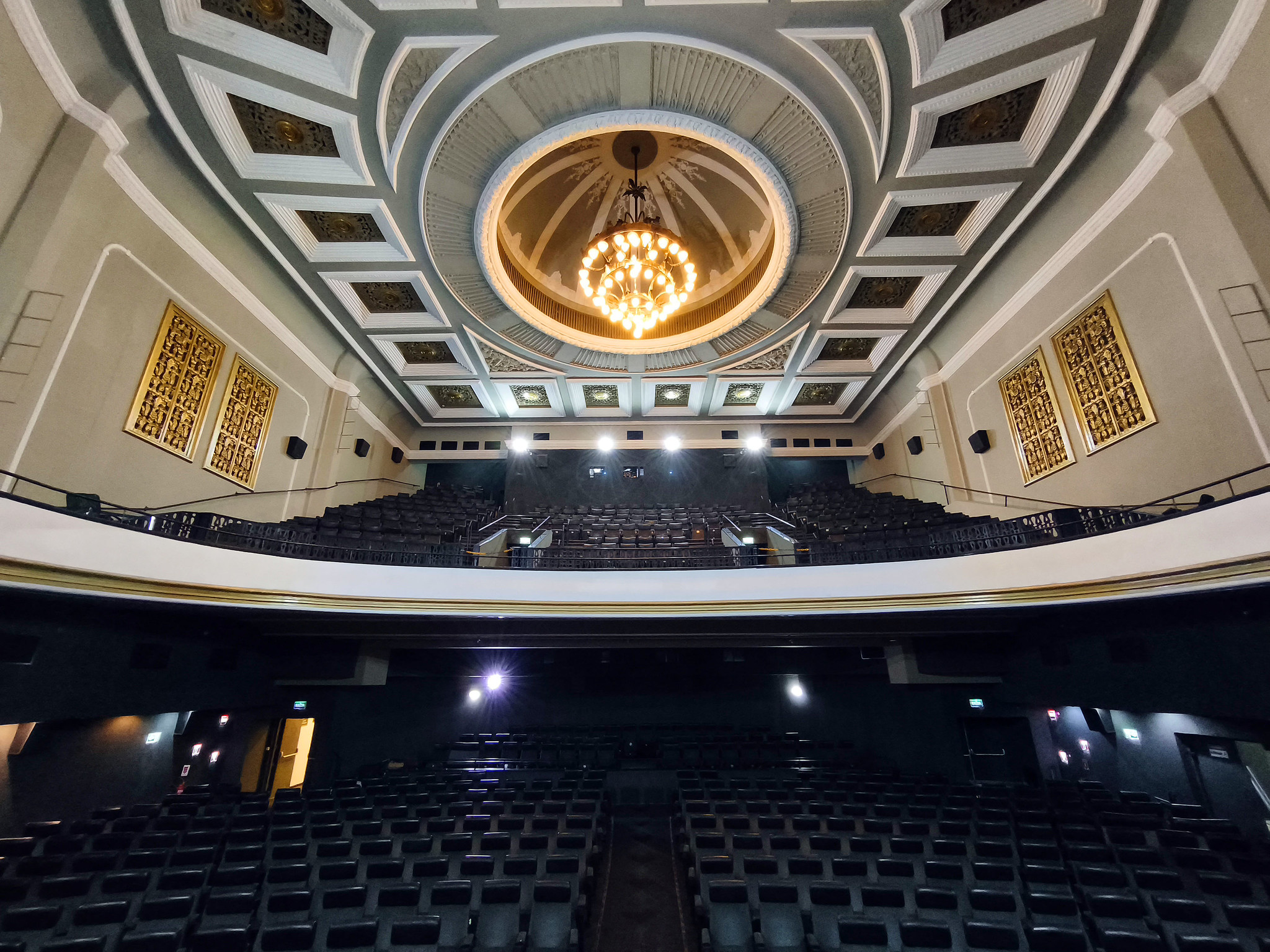
The Reviver Cinema program reopens the Odeon cinema in Cinelândia.
October 5th, 2026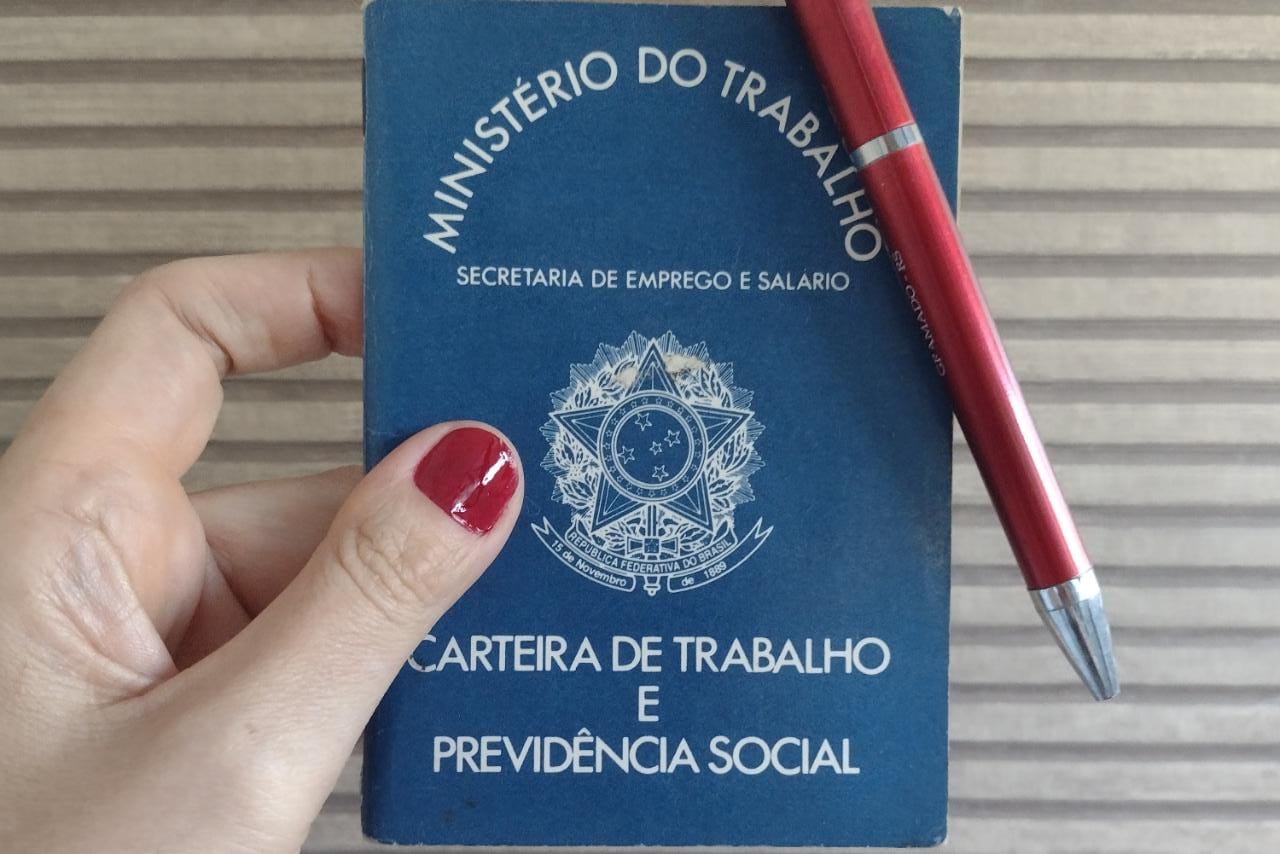
The city of Rio de Janeiro generated 13 formal jobs in August.
October 5th, 2026Rio operates with weekday bus fleet this Sunday of the election.
October 4th, 2026