





Category:
Rio is preparing for a historic summer in 2026, driven by the power of tourism.
Published on 11/11/2025 - 16:16 | Updated on 11/11/2025 - 17:13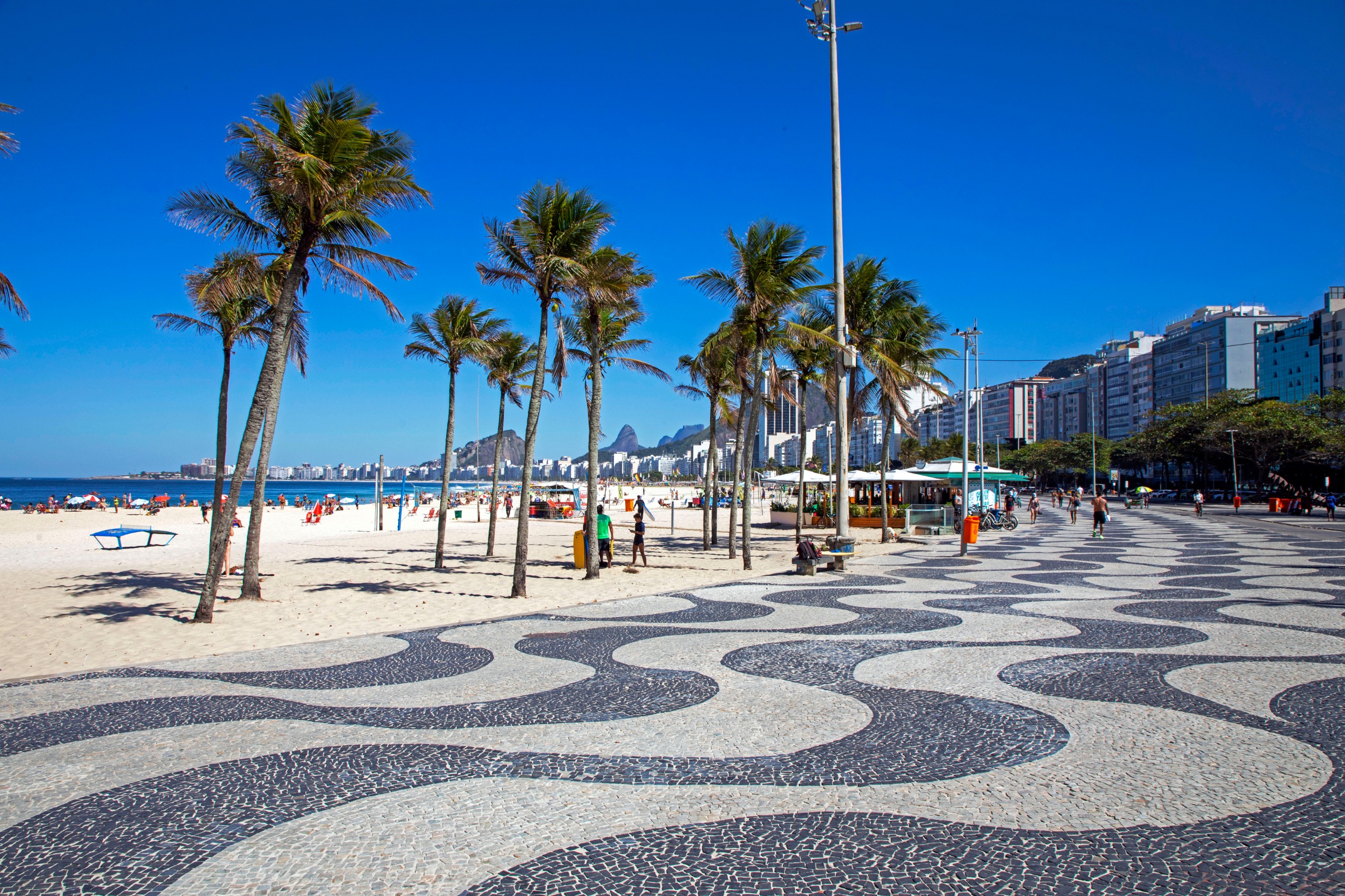 Rio's beaches continue to be an important economic driver. Photo: Alexandre Macieira
The Rio de Janeiro City Hall, through Riotur and the Municipal Secretariat of Economic Development, projects an even stronger summer of 2026 for the city's economy. The numbers from last summer reinforce the strength of tourism and economic activities linked to leisure, culture, and Rio's beaches.
Between December 21, 2024, and March 20, 2025, Rio de Janeiro collected R$ 142,6 million in taxes (ISS) from tourism and events, a real growth of 17,7% compared to the previous summer. If this pace is maintained, revenue in the summer of 2026 could reach R$ 164,3 million.
The tourism sector also showed impressive results. During the summer of 2025, the city received 5 million visitors, including 918,5 foreigners and 4,1 million Brazilians, an increase of 14,2% compared to the same period of the previous year. The arrival of international tourists grew by 35,6%, while the domestic audience increased by 10,3%, according to the Tourism Observatory of the Municipal Tourism Secretariat.
If the trend continues, the summer of 2026 is expected to receive 5,7 million tourists, with 1,2 million international visitors and 4,5 million domestic visitors.
– After a year of uninterrupted growth in Rio's tourism, driven by our "Rio All Year Round" project, which provides an official calendar promoting events in various sectors throughout the year, we are preparing to welcome what we expect to be the biggest summer in the city's history. Beyond New Year's Eve and Carnival, we also expect growth through our natural attractions, such as our beaches, trails, and peaks. 2026 is just around the corner, and we are excited to welcome the whole world – said Bernardo Fellows, president of Riotur.
Beyond the direct impact on tourism, Rio's beaches remain an important economic driver. According to the study "Economy of Rio's Beaches," conducted by the Municipal Secretariat of Economic Development, commercial activities on the sands of Rio's beaches generate approximately R$ 5,1 billion per year, a figure that does not include kiosks and restaurants along the shore. The estimate considers the number of street vendors, stallholders, customers, and average daily spending.
"Summer is one of the city's biggest showcases, and the numbers show that Rio is increasingly prepared to welcome visitors and generate opportunities. The expectation for 2026 is for a new leap in revenue and tourism, with a direct impact on the economy and job creation," said Osmar Lima, Municipal Secretary of Economic Development.
With these indicators, Rio de Janeiro consolidates itself as one of the main tourist destinations in the southern hemisphere and is preparing for a summer of 2026 that promises to break new records for visitors, income and opportunities.
"These results make us very happy and confident that we are on the right track in developing public policies to promote our wonderful city. All of this is the result of what has been invested and planned for tourism in Rio de Janeiro since 2021, and looking to the future," said Daniela Maia, Municipal Secretary of Tourism for the city of Rio de Janeiro.