





Category:
City Hall certifies Baianas do Acarajé this Wednesday at Muhcab
Published on 08/04/2025 - 12:21 | Updated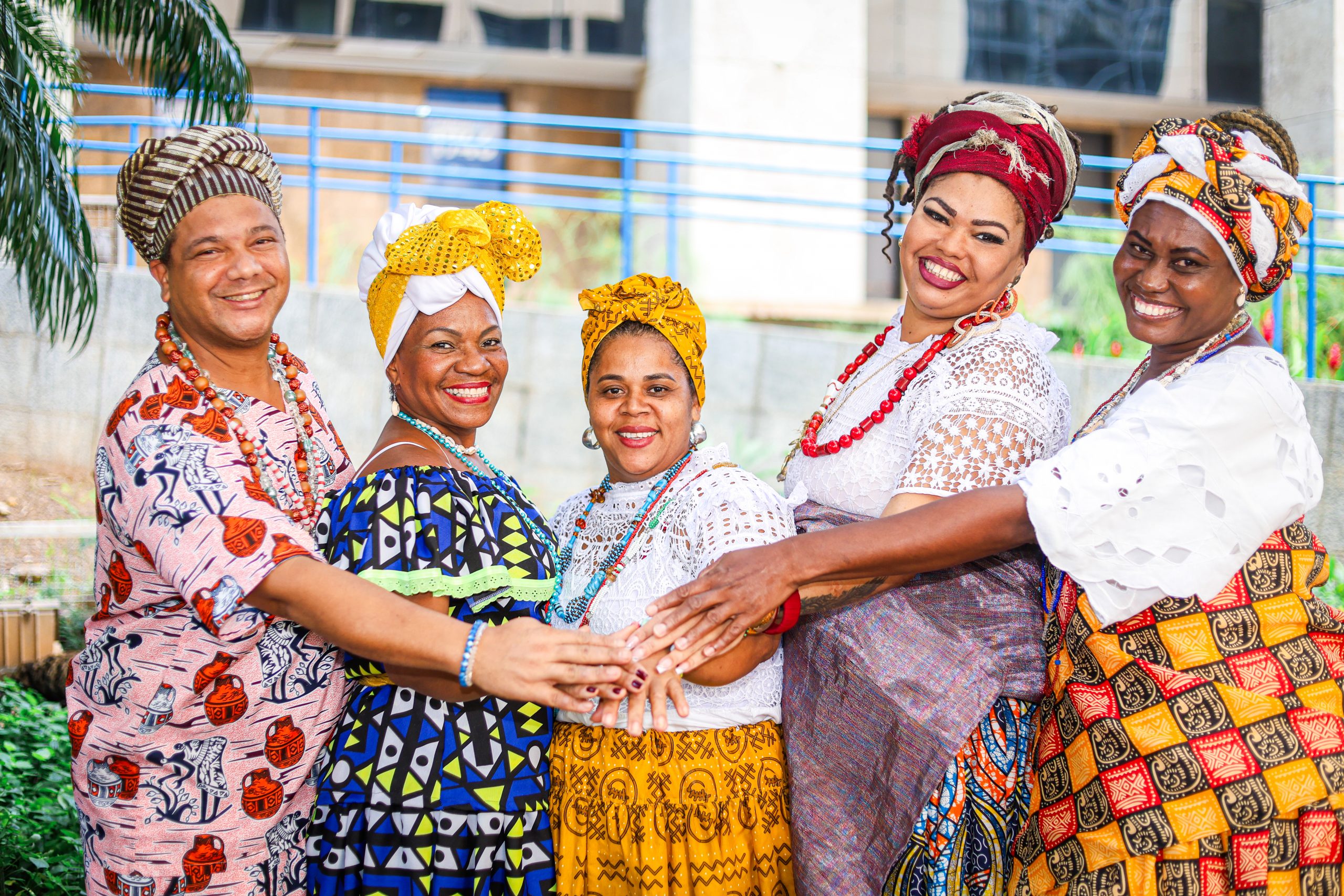 Initiative values an intangible heritage of Brazil - Rafael Catarcione/City Hall
The Rio City Hall, through the Municipal Department of Culture, will hold this Wednesday (April 09th), at 04 pm, at the Museum of Afro-Brazilian History and Culture (Muhcab), the certification ceremony for ten new Baianas do Acarajé. This is the second certification promoted by the Rio City Hall. In May 15, 2024 Baianas and Baianos were certified.
After certification, the Baianas will be able to request the necessary authorization from the Public Order Secretariat to legally operate on their boards. The process includes exemption from the Public Area Usage Fee (TUAP), ensuring that the Baianas can exercise their profession with legal certainty, backed by their rights.
The initiative aims not only to value Brazil's intangible heritage, but also to promote the socioeconomic inclusion of these professionals, strengthening their autonomy and preserving this ancestral tradition. In addition to regularizing the activity, the certification reinforces the government's commitment to protecting and fostering local cultural expressions, recognizing the fundamental role of Baianas de Acarajé in the city's identity and creative economy.
The Baianas’ trade, recognized by Iphan in 2005 as a Cultural Heritage of Brazil, gained even more visibility in Rio. With municipal decrees and resolutions, such as the “Baianas do Rio de Janeiro” Program, the city government regulated the activity, guaranteeing rights and urban space for these workers.
Cultural Development Program for the Baianas do Acarajé
The Rio Baianas de Acarajé Cultural Development Program was established in 2022, with the Municipal Department of Culture responsible for promoting the Baianas' craft and reaffirming its commitment to implementing public policies that promote the dissemination and strengthening of the Baianas de Acarajé movement.
The Baianas or Baianos de Acarajé are women/men who commonly provide for their households through the sale of acarajés and other typical foods of Bahian and Afro-Brazilian cuisine, such as the famous “crushed black-eyed pea dumpling fried in palm oil”.
A census conducted by the SMC revealed that the majority of Baianas are women (83%), self-identified as black, aged between 47 and 56, working mainly in the North Zone of the city. The mapping helped to direct specific public policies for the group.
Service - Certification Ceremony for the Baianas de Acarajé of Rio:
Date: April 9, 2025
Time: 15 hours
Location: Museum of Afro-Brazilian History and Culture (Muhcab)
Address: Pedro Ernesto Street, 80 – Gamboa