Category:
Sustainable gastronomic tourism could increase revenue in Rio by R$357 million
Published on 27/11/2024 - 16:32 | Updated With the arrival of tourists, the municipality collected R$238 million in taxes (ISS), in 2023 - Rocha Ribeiro
Rio is the gateway for international tourists to the country, who arrive mainly motivated by the beauty that surrounds the city. With the arrival of tourists, the city collected R$238 million in taxes (ISS) in 2023. This number could increase by up to R$357 million in 10 years if the city invests in building a gastronomic identity that boosts tourism.
These and other data are included in the study “Rio: The Capital of Sustainable Gastronomy in Latin America” prepared by the City of Rio, through the Municipal Secretariat for Urban and Economic Development (SMDUE), in partnership with the Municipal Secretariat for Tourism (SMTUR-Rio) and the Bazzar Institute – an independent entity willing to collaborate with governments and private initiatives in promoting gastronomic tourism in Rio de Janeiro. The survey shows that the sector has the potential to attract 2 million additional foreign visitors in a decade.
For acting secretary Thiago Dias, who heads the Urban and Economic Development portfolio, the city has all the ingredients to consolidate this sector.
– Rio has been preparing to welcome more tourists every year. We are working to strengthen Galeão International Airport through public policy, we are encouraging economic growth and we are seeing the resumption of hotel construction in the city. We are revitalizing the city center and creating a new tourist hub, Rua da Cerveja. There are many initiatives, and the current strengthening of gastronomic tourism in the city only helps to consolidate Rio’s vocation, which has an economy strongly anchored in the provision of services.
The promotion of gastronomic tourism is one of the priorities of the administration of the municipal secretary of Tourism, Daniela Maia, who brought to Rio, in 2023 and 2024, the most important international awards in the segment: the Michelin Guide and the 50 Best Latin America.
– Valuing our cultural riches means preserving our material and immaterial heritage. We are a plural city and our gastronomy reflects this diversity. It is with this mindset that I have been directing our work to shape Rio de Janeiro as a gastronomic destination, both domestic and international – said Daniela.
The secretary also points out that this strategy includes encouraging specialized media; a partnership with the Brazilian Association of Bars and Restaurants (Abrasel) to promote gastronomy in the tourism industry; and, in line with the UN Tourism guideline to support sustainable initiatives, encouraging niches such as Black Food festivals, Favela Food festivals, and others related to food security and the fight against hunger.
For the second consecutive year, Rio hosted an important world gastronomy award
The study shows that gastronomy, in addition to being an attraction for international tourists, enhances the city's cultural identity, reinforcing its position as a global destination. The focus on sustainability is another very important factor in attracting this new gourmet traveler, according to Cristiana Beltrão, founder of the Bazzar Institute. For her, creating a Carioca identity, translated into local gastronomy with sustainable practices, can be a catalyst for a new type of tourism.
– According to all research in the segment, identity and sustainability are fundamental to attracting tourists. After the successful initiative of the City Hall to host awards such as the Michelin Guide and Latin America's 50Best Restaurants, the new challenge is to have a defined gastronomic identity, capable of attracting gourmet travelers, in addition to taking a position on the pressing environmental issue – assessed the businesswoman.
Cristiana cites the city of London as an example, which in 2005 was known as one of the worst food destinations in the world and has now become the 5th most attractive in this regard, according to the World's Best Cities ranking, and has become the third city with the highest number of Michelin stars in the world.
– This was a strategic project, built mainly by the British Government. Lima, the capital of Peru, also invested heavily in building its image and today has a greater flow of tourists than Rio de Janeiro.
The Bazzar Institute wants to contribute with its research to the formation of this gastronomic identity of the municipality, and with the creation of bridges between producers, fishermen and chefs, for the construction of a more sustainable food chain in Rio de Janeiro.
Currently, the bar and restaurant sector is one of the largest employers in the city. According to data from the Annual Social Information Report (RAIS) and CAGED – Ministry of Labor and Employment (MTE), Rio has approximately 67 thousand workers in this segment, with almost 80% of them working in micro and small businesses. The study also highlights that, between 2021 and 2024 (up to August), the sector generated 16,1 thousand new jobs, demonstrating the relevance of gastronomy in generating jobs and strengthening the local economy.
– All of our work to enhance Rio’s vocation and foster existing and new markets is to, in the end, generate employment and income, which will guarantee a better quality of life for the people of Rio – concluded Thiago Dias.
Another piece of information from the survey, based on data from the Ministry of Labor and Employment (MTE), is that Rio has 4,2 bars and restaurants. Almost all of them (96,7%) are micro or small businesses. These establishments are concentrated mainly in the South Zone, Grande Tijuca and Barra da Tijuca, which account for more than 60% of the establishments and workers. In the survey by neighborhoods, Barra (12,3%), Centro (11,2%), Copacabana (7,1%), Botafogo (5,2%) and Tijuca (3,6%) are the top five with the most establishments, with almost 40%.
Study brings strategic suggestions to boost the sector
The promising scenario that Rio City Hall envisions for the next 10 years involves the success of holding international gastronomic events, such as Latin America's 50 Best Restaurants, and the inclusion of more Rio restaurants in the Michelin Guide – the city already has six, three of which have two stars.
– The Bazzar Institute suggests initiatives that have been successful in other countries and can make all the difference in the state of Rio. Among them, the reduction of bureaucracy in the entry of excellent products from the interior of the state of Rio to the capital – said Cristiana.
The study reinforces that investing in gastronomic tourism is strategic for Rio de Janeiro. Strengthening this sector can not only attract new visitors and increase the city's revenue, but also boost the economy as a whole, generating jobs and income for local communities. Furthermore, by promoting sustainable gastronomy, Rio positions itself as a destination that values both its traditions and responsible development.
With a global market valued at US$805 billion, gastronomic tourism has great potential for Rio de Janeiro, which has the opportunity to transform its culinary identity into one of the main pillars of its economic development in the coming years.
The full study is available at Rio Economic Observatory.
News

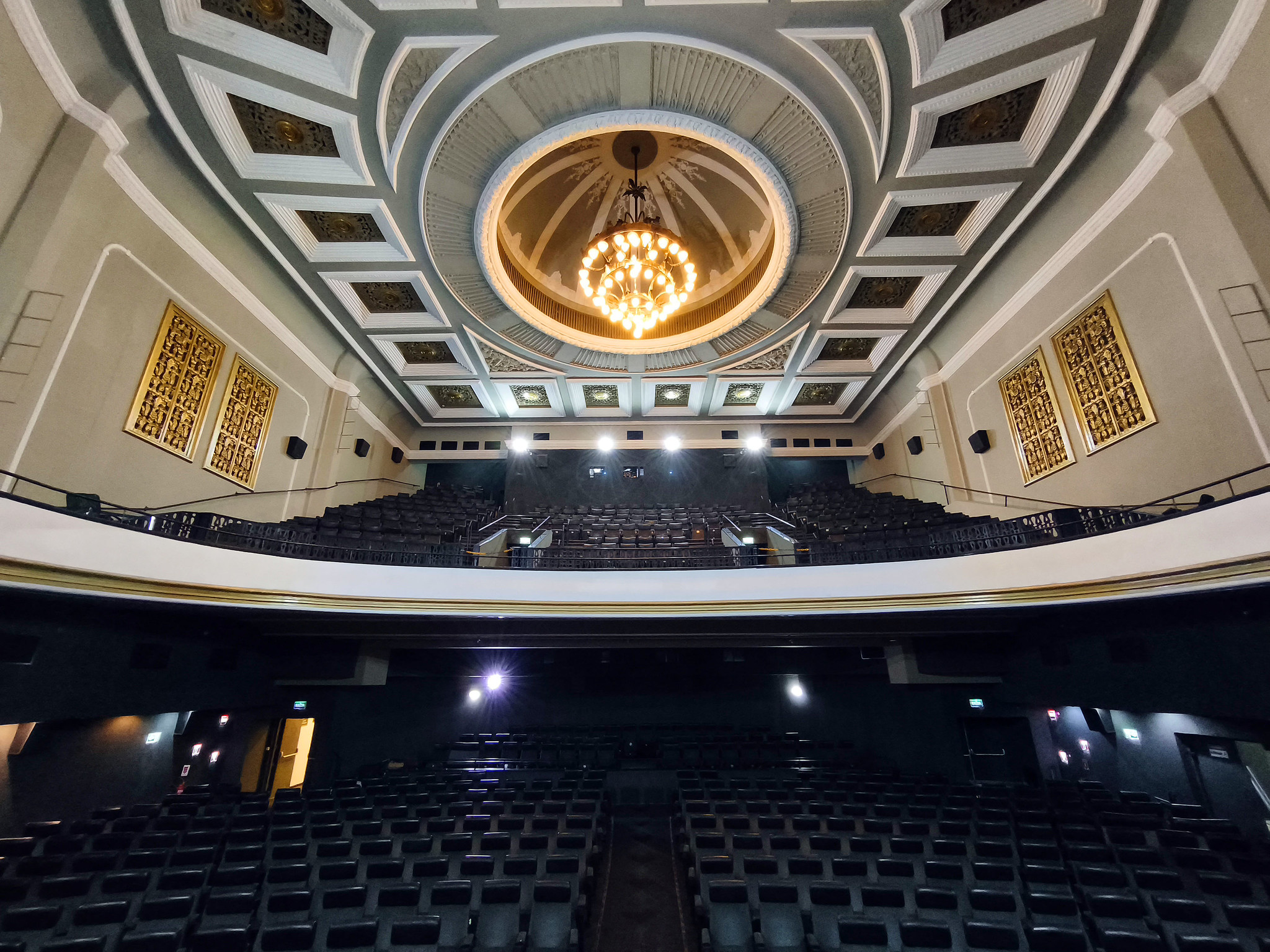
The Reviver Cinema program reopens the Odeon cinema in Cinelândia.
October 5th, 2026
The city of Rio de Janeiro generated 13 formal jobs in August.
October 5th, 2026Rio operates with weekday bus fleet this Sunday of the election.
October 4th, 2026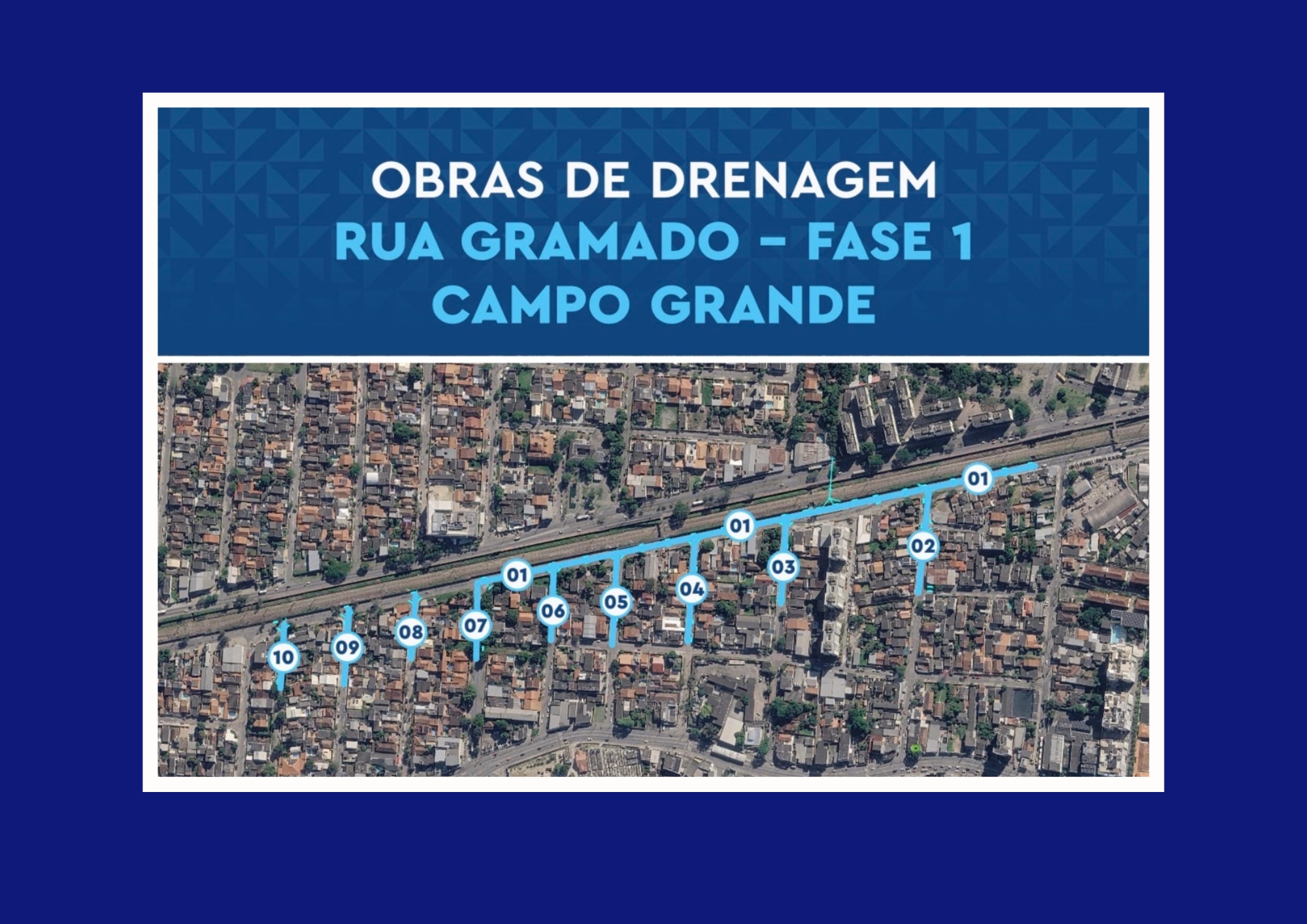
City Hall announces works to combat flooding in downtown Campo Grande.
October 3th, 2026