Category:
Construction begins on the new Campo Grande Intermodal Terminal.
Published on 02/10/2026 - 20:27 | Updated on 02/10/2026 - 23:00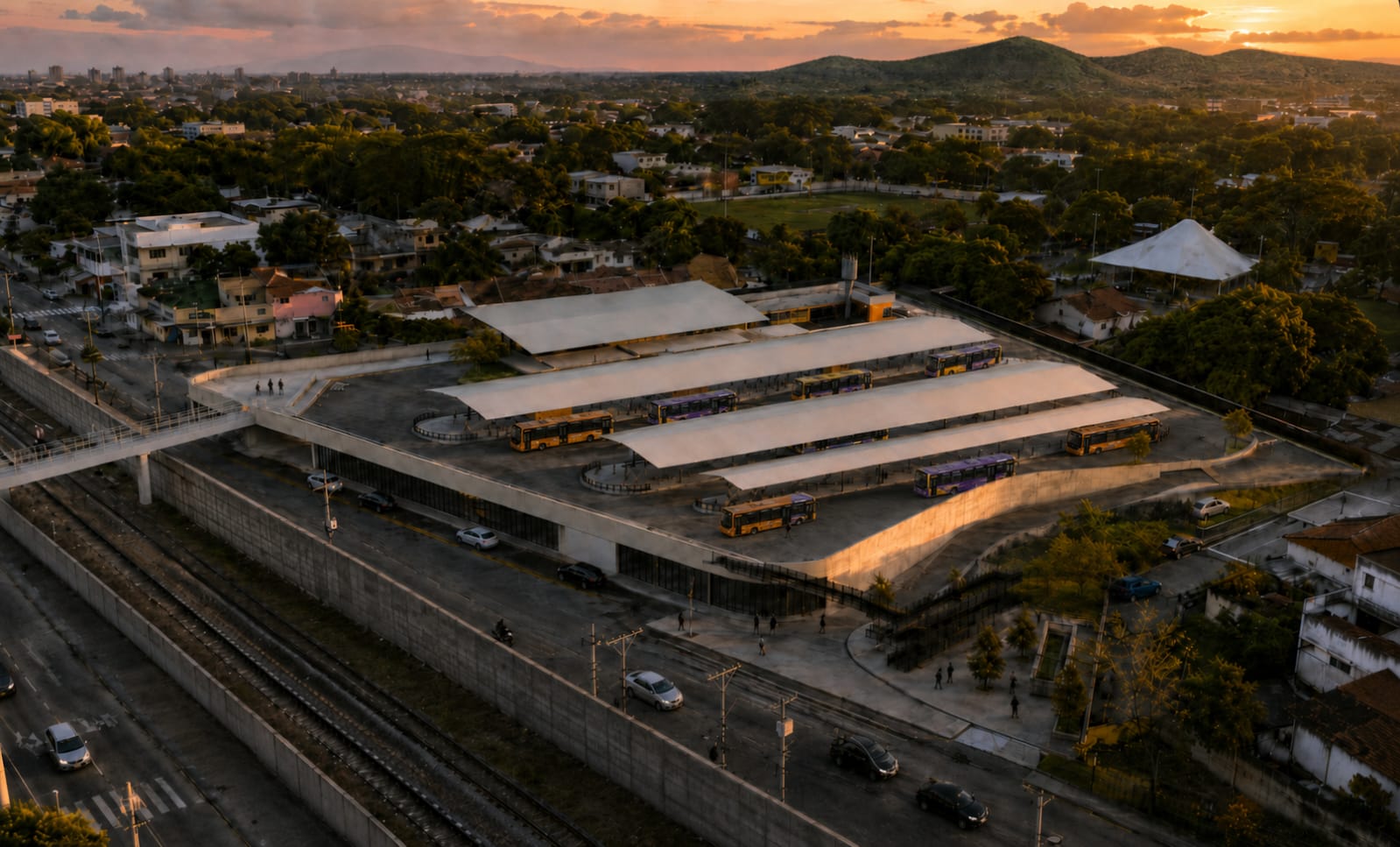 The structure will bring together 33 bus lines at a single integration point and will facilitate travel between the West Zone and the Baixada Fluminense region - Press Release/Municipal Infrastructure Secretariat
The mayor of Rio de Janeiro, Eduardo Cavaliere, has launched the construction of the new Campo Grande Intermodal Terminal in the West Zone. The facility will be built on a 22,2 square meter area between Rua Campo Grande and Rua Padre Pauwels, near Estrada da Caroba, and will form, together with the Campo Grande BRT Terminal, a new public transport integration hub in the region.
"Today we are starting construction on this terminal, which will concentrate the lines in the region and connect the neighborhoods of the West Zone, in addition to the intercity lines that integrate the municipalities of the metropolitan region. It is another terminal in the city, and we will reach 12 already inaugurated or under construction, which change the lives of citizens," said Eduardo Cavaliere.
The mayor recalled that, with this project, the city hall is fulfilling exactly what it promised to the population: to bring about the same transformation with the bus lines that was done with the BRT (Bus Rapid Transit).
With an investment of R$71,3 million, the project was developed in partnership by the municipal departments of Infrastructure and Transportation. The new terminal was planned to reorganize the operation of municipal buses in Campo Grande and will be an integration point between municipal and intermunicipal lines.
"This is another project from Campo Grande's Mobility Plan, which, added to all the other major investments in mobility, will further improve this region. It's another terminal so that we can change the experience of public transportation in the city," highlighted the Municipal Secretary of Infrastructure, Wanderson Santos.
When it becomes operational, it will bring together 33 municipal and intermunicipal bus lines at a single integration point, facilitating travel for passengers in the West Zone and the Baixada Fluminense region.
The terminal will be served by 21 municipal bus lines from the first phase of the RIO System, the city's new bus transportation concession. These lines will provide local service to the neighborhoods of Campo Grande, Inhoaíba, Cosmos, Paciência, Santa Cruz, and Sepetiba, expanding the availability of trips and connectivity in the region. In addition to municipal service, the terminal will also receive 12 intercity bus lines to promote integration between the capital and the municipalities of Itaguaí, Seropédica, Nova Iguaçu, Mesquita, Nilópolis, and Duque de Caxias.
The proposal aims to expand the integration between municipal and intermunicipal bus lines to allow passengers to make connections more easily, as well as reduce travel time and organize the operation of public transportation in the region.
Integration with the BRT
The facility will have the capacity to accommodate approximately 60 buses simultaneously and was designed to increase operational efficiency and meet the growing demand in the region. The new terminal connects, via a walkway under the railway line, to the Campo Grande BRT Terminal, integrating conventional buses and the BRT system.
With two levels, the facility will have independent access and an internal connection between the floors. The lower level will have an entrance on Rua Campo Grande, while the upper level will be accessed via Rua Padre Pauwels. Both spaces will provide access to the walkway leading to the Campo Grande BRT Terminal, ensuring simpler, safer, and more accessible access for users.
On the upper level, covering approximately 13,2 square meters, three covered and accessible platforms will be built, along with a support area for drivers, a security guardhouse, public and driver restrooms, as well as stairs and an elevator connecting to the lower level. The space will be able to accommodate more than 30 buses simultaneously.
The lower level will occupy approximately 8,9 square meters and will be dedicated to passenger service and operational support. The space will also include covered and accessible platforms, as well as public restrooms and an administrative office for drivers.
The project also includes the installation of approximately 10 kiosks for local commerce. The development will also feature a bicycle parking area to expand integration options between bicycles and public transportation and encourage more sustainable commutes. The construction timeframe is up to two years.
News
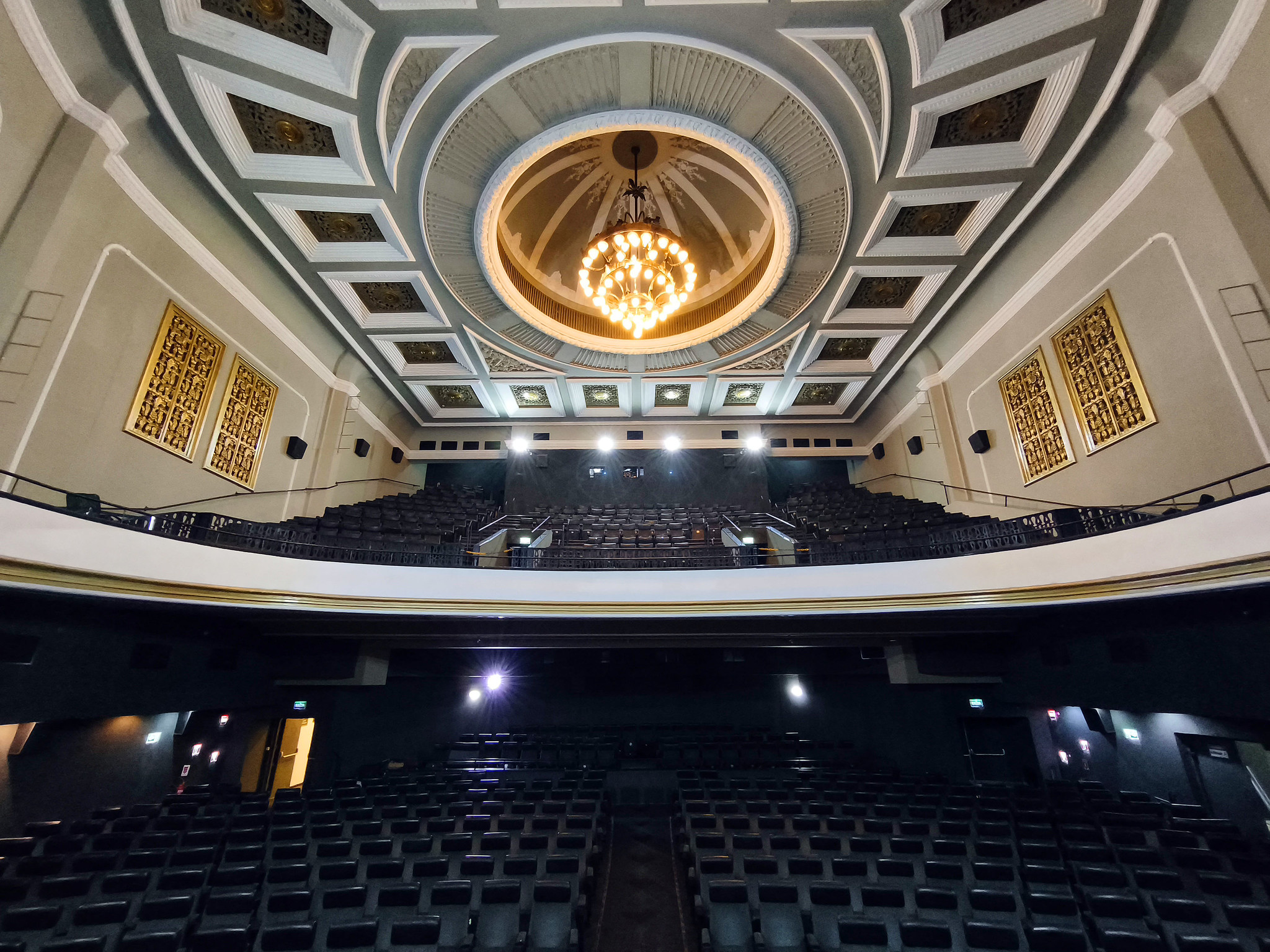
The Reviver Cinema program reopens the Odeon cinema in Cinelândia.
October 5th, 2026
The city of Rio de Janeiro generated 13 formal jobs in August.
October 5th, 2026Rio operates with weekday bus fleet this Sunday of the election.
October 4th, 2026
City Hall announces works to combat flooding in downtown Campo Grande.
October 3th, 2026