Category:
Joint operation by the Environment departments closes landfills in Jacarepaguá
Published on 05/05/2021 - 15:11 | Updated Drug dealers charged R$50 for trucks to dispose of waste in illegal landfills - Disclosure/City Hall
In a joint operation, the Rio de Janeiro Municipal (SMAC) and State (SEAS) Environmental Departments, with the support of the Military Police, closed construction and household waste dumps in an area equivalent to five soccer fields this morning (05/05) in Jacarepaguá, in the West Zone of Rio. To prevent trucks from dumping material in the illegal landfill, environmental agents dug trenches in the area. In the operation, which also had the support of the 18th Military Police Battalion (Jacarepaguá) and the Environmental Protection Department (DPMA), a man was taken to the police station for operating a backhoe without a license.
– We are recovering environmental protection in all areas of the City of Rio. Crimes like these are no longer tolerated. One of the biggest environmental problems in Rio is the filling of conservation waters with rubble, hence the importance of acting together – says the City’s Secretary of the Environment, Eduardo Cavaliere.
Under the command of drug traffickers, illegal landfills charged R$50 per truck for disposal, a lower price than that stipulated by landfills duly licensed by environmental agencies. In Caminho do Outeiro, a community next to Cidade de Deus, there was a confrontation when the agents arrived and drug traffickers fled the site – where there is a project to build an important road connecting Avenida Ayrton Senna and Estrada dos Bandeirantes.
There are at least five illegal waste dumping sites that are being inspected in the region. According to the city's Department of the Environment, a large part of the area is flooded and around 400 tons of waste have already been illegally dumped there. This volume is used for leveling the land, increasing the area invaded for future occupation.
In addition to the environmental impact, irregular deposits have socioeconomic and public safety impacts in the region, such as: compromising urban mobility in the region, increasing violence directly impacting commercial and residential developments in the surrounding area, depreciation of the commercial value of residential and commercial properties and a drop in tax collection and hotel occupancy rates.
News
CET-Rio announces scheduled road closures for this Monday (October 5th).
October 5th, 2026
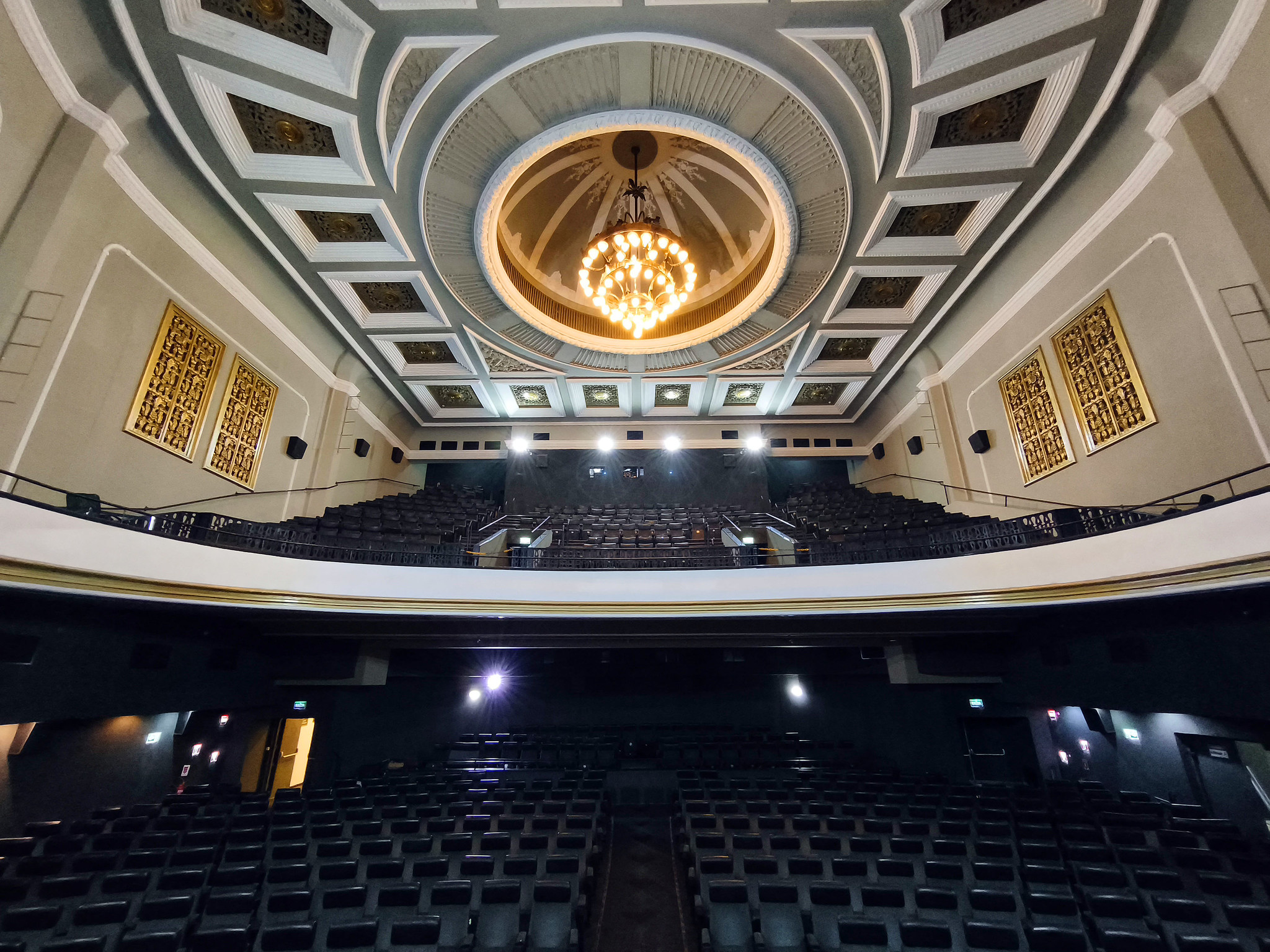
The Reviver Cinema program reopens the Odeon cinema in Cinelândia.
October 5th, 2026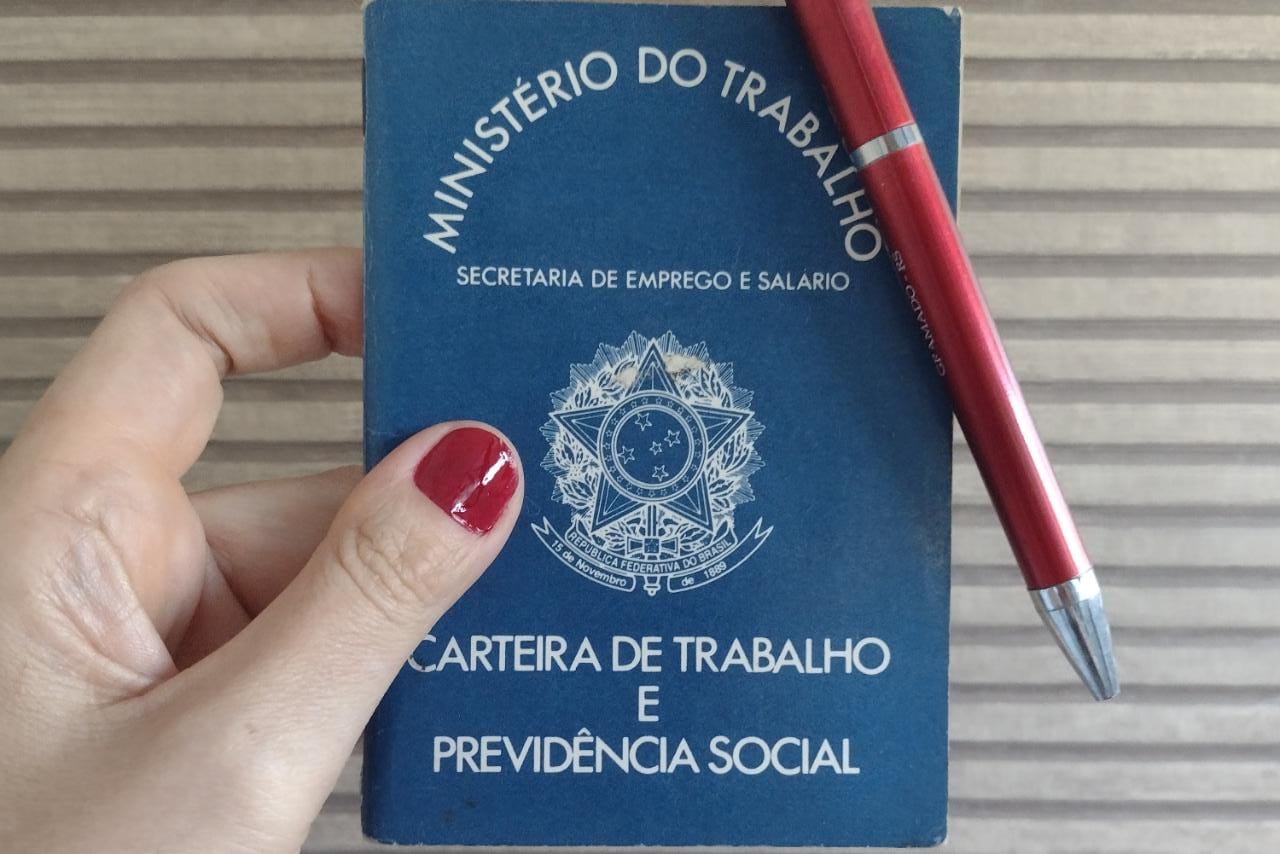
The city of Rio de Janeiro generated 13 formal jobs in August.
October 5th, 2026Rio operates with weekday bus fleet this Sunday of the election.
October 4th, 2026